

From Visas to Work Permits: Understanding 4 Kenya’s Immigration System
Planning to relocate to Kenya for work, business, or adventure? Understanding the country’s immigration system is the key to a smooth transition. This guide breaks down everything you need to know about Kenya’s visa types, work permits, application steps, and essential do’s and don’ts , helping expats, investors, and professionals navigate the process with confidence.
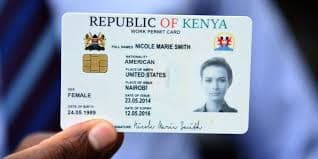
Kenya is fast becoming a top destination for professionals, investors, and digital nomads. Whether you’re relocating for work, setting up a business, or simply exploring life beyond your home country, understanding Kenya’s immigration system is the first step toward a smooth transition.
Unfortunately, the process can be confusing — with different visa types, multiple application platforms, and varying requirements. This guide breaks it all down into simple, actionable information to help you plan with confidence.
1. Understanding Visa Categories in Kenya
Before you travel, you’ll need to apply for the appropriate visa based on your purpose of visit. Here’s a quick overview of the main types:
- Single Entry Visa: Ideal for short visits, conferences, or business trips (valid for 90 days).
- Multiple Entry Visa: Perfect for frequent travellers or business professionals who enter and exit Kenya often.
- East Africa Tourist Visa: Allows travel between Kenya, Uganda, and Rwanda with a single document.
- Transit Visa: Required for passengers passing through Kenya for more than 24 hours.
- Courtesy Visa: For diplomatic or official government visits.
Pro Tip: Most visa applications are now processed through the eCitizen portal. Avoid third-party websites that overcharge or collect personal data.
2. Work Permits and Passes — What You Need to Know
If you plan to work, volunteer, or invest in Kenya, you’ll need a work permit or special pass, issued by the Directorate of Immigration Services.
Here are the main permit classes:
- Class A: For investors in manufacturing, mining, or large-scale agriculture.
- Class D: For professionals employed by a specific company or organization.
- Class G: For self-employed individuals engaged in business or consultancy.
- Class I: For missionaries, clergy, or charity workers.
- Special Pass: Temporary authorization (up to 3 months) to work while waiting for a full permit.
Important: You must not start working until your permit is approved and issued.
3. The Application Process (Simplified)
Applying for a visa or permit in Kenya is now largely digital. Here’s a simplified breakdown:
- Create an eCitizen account under the Directorate of Immigration Services.
- Select the permit or visa type that matches your reason for stay.
- Fill out the online form and upload supporting documents (passport, photos, company letter, etc.).
- Pay the required fee (usually via M-Pesa or credit/debit card).
- Wait for processing — timelines range from 2 to 8 weeks depending on the application type.
- Once approved, print or collect your permit as instructed.
4. Do’s and Don’ts of Kenya’s Immigration System
✅ Do’s
- Double-check all document requirements before applying.
- Use your official name consistently across all forms and attachments.
- Keep copies of receipts and approval letters for reference.
- Renew your permit at least 30 days before expiry.
❌ Don’ts
- Don’t overstay your visa — penalties are strict and can affect future applications.
- Don’t work without a valid permit — it’s illegal.
- Don’t use unauthorized agents who promise faster approvals for extra fees.
- Don’t assume a visa automatically converts to a work permit — it doesn’t.
5. Final Thoughts: Simplify Your Move
Navigating Kenya’s immigration system doesn’t have to be overwhelming. Whether you’re an expat starting a new job, a family relocating from abroad, or a business investor entering a new market, the key is preparation, compliance, and trusted information.
With the right paperwork, patience, and proper guidance, your move to Kenya can be as seamless as the country’s warm welcome.


